10 Scaries Mythological Creatures

10 Scaries Mythological Creatures

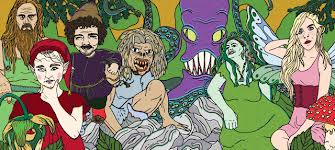
Every country has a well-known tale that passes on from generation to generation about mythical creatures that roam our land. In Britain there’s the Loch Ness Monster, North American’s have Bigfoot, Transylvania has Dracula, and Latin American countries have the Chupacabra. The most popular films and books at the moment are the Twilight series, which feature a host of vampires and werewolves! In this article we’ll be taking a look at ten of some of the Scariest Mythological Creatures from around the world.


1. Aswang
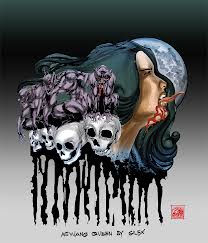

Scaries Mythological Creatures Aswang


A cross between a vampire and a witch the Aswang is Scaries Mythological Creatures popular in Filipino folklore. Almost always female the creature is a cannibalistic eater of the dead and of the living. They can transform themselves into either a black dog or a black boar. Some of the methods effective in fending them off is the use of garlic and/or holy water. During the day they are in their human form and appear as quiet, shy, elusive characters. At night though they transform into the terrifying creatures whose trademark features include very bloodshot eyes.

2. Bean Nighe
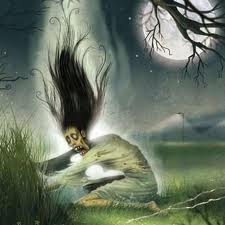
Scaries Mythological Creatures Bean Nighe


The Bean Nighe is Scaries Mythological Creatures from Scottish fairy popular among Irish folklore. The creature is seen as an omen of death and a messenger from the Otherworld. She is described as a being that sits by deserted streams washing the blood from the grave-clothes of those who are about to die. The creatures are thought to be the spirits of women who died giving birth and are doomed to do this work until the day their lives would have normally ended. They have one nostril, one big protruding tooth, webbed feet and long hanging breasts.

3. Berserker
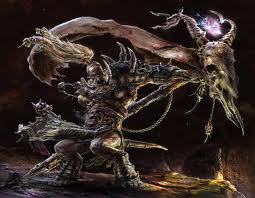
Scaries Mythological Creatures Berserker


Berserker is Scaries Mythological Creatures Norse legend depicts these human warriors who would transform into maniacal, uncontrollable beings sometimes in the shapes of wolves, bears and wild bulls. This would improve their effectiveness in battle. They are described as having bloodshot eyes, incredible strength, and endurance. Scandinavian kings would use the Berserkers as their part of their army or as their personal bodyguards.

4. Chimera
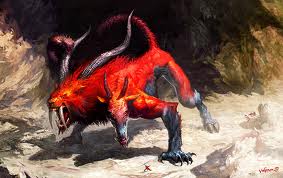
Scaries Mythological Creatures Chimera


The Chimera was a monstrous female creature from Greek mythology that could breathe fire. It was composed of different animals: it had a lion’s body with a tail that ended with a snake’s head as well as a goat’s head that arose from the center of its back. The Chimera was briefly described by Homer in the Iliad and was thought to be the offspring of Typhon and Echidna.

5. Encantado

Scaries Mythological Creatures Encantado


Although they don’t look so scary when appearing in their human form many South Americans are so terrified by this Brazilian mythical creature villagers will dare not go near the Amazon River at night because that is where the creature roams in its human form – its most dangerous state. By day the Encantado lives as either a freshwater dolphin or sea snake. When they transform into humans though they behold superior musical abilities, seductiveness, and attraction to parties. Their victims can be driven to insanity, illness or even death.

6. Gorgon
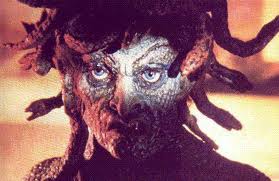
Scaries Mythological Creatures Gorgon


Greek mythology told of gorgon creatures that were terrifyingly scary female beings. Often described as three sisters who had snakes growing from their head and a horrifying gaze that turned those who beheld it to stone. Two of the sisters, Stheno and Euryale, were immortal but Medusa was not and was slain by the mythical hero Perseus. The name Gorgon actually derives from the Greek word gorgós, which means “dreadful”.

7. Incubus

Scaries Mythological Creatures Incubus


An Incubus was a mythological demon who preyed on sleeping women in the night in order to have sex with them. The purpose of this action was to have the woman father its child. Repeated intercourse with an Incubus led to a serious deterioration of health, or even death. There was also a female equivalent of the Incubus as well who preyed on sleeping men, which was known as a Succubus.

8. Leshy

Scaries Mythological Creatures Leshy


A male woodland spirit from Slavic mythology that protects wild animals and the forest itself. Often it will lead humans astray to its cave where it can make them sick or possibly even tickle them to death. Known for its mischievous behaviour it often takes the form of a peasant but can be spotted by its glowing eyes. In its normal state it has a beard made from living grass and vines, and is often depicted with a tail, hooves and horns. They also have the ability to shrink themselves down to the size of a blade of grass or to the height of the tallest trees.

9. Ördög

Scaries Mythological Creatures Ördög


In Hungarian mythology the Ördög was a demonic figure who was associated with the devil. It was said to look like a black faun with hooves, horns and a ponytail. It lived in hell where it stirred a giant cauldron filled with human souls. If he ever needed to venture out into the world then he would take the form of a fox, a dark flame or a Hungarian shepherd with dark, sparkling eyes.

10. Wendigo

Scaries Mythological Creatures Wendigo


A legendary mythical creature that is believed in by the Algonquian people. Different cultures offer different descriptions of the Wendigo but generally they are said to be large alien-like canine beasts associated with the winter and the cold. Humans can become Wendigo’s themselves if they carry out an act of cannibalism. The demonic spirit of the beast will then take over the human’s body and turn them into a violent, human flesh craving beast. Most Wendigos are thought to dwell in mountainous areas or highly forested regions


By : James Massoud in ANIMALS
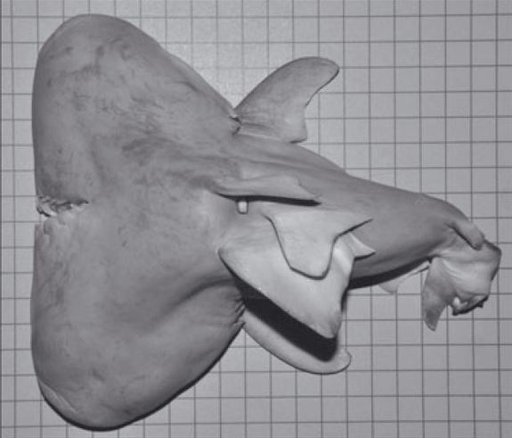
Janin Hiu Berkepala 2

Janin Hiu Berkepala 2

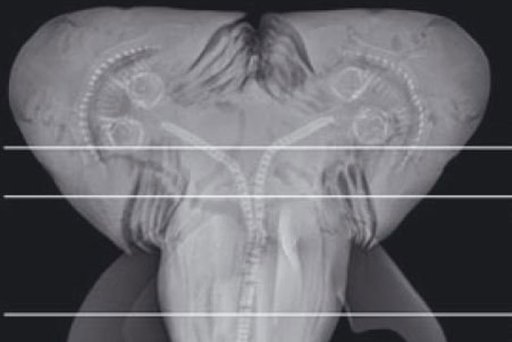
Seorang nelayan menangkap hiu banteng di lepas pantai Florida Keys baru-baru ini, dan menemukan sesuatu yang mengejutkan: salah satu janin hiu yang hidup memiliki dua kepala.

Nelayan tersebut kemudian menyimpan spesimen aneh itu, dan memberitahu para peneliti, yang dijelaskan dalam sebuah penelitian yang diterbitkan pada 25 Maret dalam “Journal of Fish Biology”. Penemuan ini merupakan salah satu contoh dari sedikit hiu berkepala dua yang pernah ditemukan (ada sekitar enam kasus dalam laporan yang diterbitkan) tapi ini merupakan kasus pertama yang ditemukan pada hiu banteng, kata Michael Wagner, seorang penulis studi tersebut dan peneliti di Michigan State University.

Secara teknis disebut "axial bifurcation," kelainan bentuk ini adalah akibat dari embrio yang mulai terbelah menjadi kembar, namun pemisahan itu tidak sempurna, ujar Wagner kepada OurAmazingPlanet. Ini adalah mutasi yang sangat langka yang terjadi di berbagai binatang yang berbeda, termasuk manusia.

"Di tengah proses pembentukan kembar tersebut, embrio berhenti terbelah," katanya.

Janin Hiu Berkepala 2


Janin hiu berkepala dua tersebut mungkin tidak akan bertahan hidup lama di alam liar, katanya. "Bila Anda predator yang perlu bergerak cepat untuk menangkap ikan lainnya yang bergerak cepat, maka akan hampir mustahil hidup dengan mutasi ini," katanya.

Wagner mengatakan bahwa deskripsi hiu cacat tersebut suatu hari nanti mungkin dapat membantu kita untuk lebih memahami bagaimana cacat ini terjadi pada hiu dan hewan lainnya.

Ular dan kura-kura berkepala dua dapat dibeli dari peternak khusus tertentu, dan ada pasar kecil untuk makhluk seperti itu, ujar Wagner.

Beberapa contoh hiu berkepala dua yang ada saat ini berasal dari spesimen museum dari tahun 1800-an, ketika minat pada hewan cacat dan mengerikan lainnya dihargai dengan nilai tinggi, katanya

Oleh Douglas Main, Staf Penulis OurAmazingPlanet | LiveScience.com

Sumber : www.yahoo.co.id

The lost Continent Finally Found

The lost Continent Finally Found


Epecuen Muncul Setelah 25 Tahun Tenggelam, Versi Nyata 'Atlantis'

Buenos Aires : Pepohonan mati, logam-logam berkarat, tengkorak yang menyeruak dari kuburan rusak, jejak air garam berupa lapisan putih keperakan yang menutupi puing-puing bangunan. Kota Epecuen telah lama mati. Selama 25 tahun ia tenggelam di dasar laut. Seperti halnya legenda "Atlantis yang hilang"

Kota di Argetina itu hanya menyisakan cerita. Hingga suatu hari, perlahan, air yang merendamnya surut. Menampakkan pemandangan mengerikan. Hampir tiga dekade lalu, tepatnya 10 November 1985, hujan lebat turun terus-menerus dalam waktu yang lama. Laguna yang ada di sana meledak karena tak mampu menampung debit air. Banjir pun merendam Epecuen. Ketinggian maksimal 33 kaki atau sekira 10 meter terjadi di tahun 1993.

Kota wisata tua yang terletak di selatan Buenos Aires itu tenggelam dalam air asin. Dengan kadar garam amat tinggi yang hanya bisa dikalahkan oleh Laut Mati. Sekitar 1.500 penduduknya yang panik lari, meninggalkan rumah dan seluruh harta benda. Sebelum bencana itu terjadi, Epecuen adalah kota wisata yang populer. Didatangi 20.000 turis setiap tahun. Epecuen yang berarti "musim semi abadi", memiliki laguna yang airnya diyakini menyembuhkan depresi, rematik, juga penyakit kulit. Legenda menyebut air berkhasiat itu adalah kumpulan air mata 'Ketua Besar' yang menangisi rasa sakit yang dialami kekasihnya.Banjir mengubah Epecuen menjadi kota mati. Sebanyak 280 bisnis pariwisata -- pondok-pondok wisata, guesthouse, hotel, restoran yang menyemut di pusat kota ikut binasa. Menyisakan 1 Penduduk Setelah banjir surut dan sisa-sisa Epecuen muncul, kota itu tak dibangun kembali. Dibiarkan begitu saja. Dan hanya satu penduduk yang setia tinggal di sana, di area yang relatif kering: Pablo Novak yang berusia sepuh, 81 tahun. "Sampai sekitar empat atau lima tahun setelah banjir, ketika air masih tinggi, tak ada yang datang ke sini sama sekali," kata kakek Novak, seperti dimuat Daily Mail (18/3/2013). "Aku benar-benar sendirian. Sepanjang hari, setiap saat."Novak kini menghabiskan hari-harinya, memasak di tungku, bersepeda di sekitar reruntuhan, atau membaca koran. Sembari memelihara bayangan tentang masa-masa keemasan Epecuen. Kini, ia punya kesibukan baru. Menyapa dan mengobrol dengan orang-orang yang berdatangan ke kota itu. Untuk melihat atau bermaksud mengambil bahan-bahan yang bisa didaur ulang dari reruntuhan.

Epecuen yang berubah seram itu juga menjadi setting pembuatan sejumlah film dalam beberapa tahun terakhir.Mirip "Atlantis Yang Hilang"Meski dalam versi yang tak layak diperbandingkan, apa yang terjadi pada Epecuen mengingatkan pada legenda "Atlantis yang hilang".Atlantis atau Atlas -- yang konon berperadaban maju, tenggelam di dasar laut. Hingga kini, ia masih jadi misteri sekaligus obyek pencarian sejumlah orang. Ia muncul dalam dialog Plato, Timaeus dan Critias, yang ditulis sekitar 330 Sebelum Masehi. Berangkat dari tulisan Plato, lokasi Atlantis telah digambarkan: laut yang bisa dilayari saat itu, di depan mulut "pilar-pilar Herkules", terdapat pulau yang lebih luas dari Libya dan Asia disatukan."Dengan kata lain, Atlantis versi Plato ada di Samudera Atlantik di luar "pilar Hercules" yaitu, Selat Gibraltar, di mulut Mediterania. Namun, tak ada jejak Atlantis yang ditemukan meski teknik oseanografi dan pemetaan bawah laut telah berkembang pesat dalam beberapa dekade. 

Selama hampir dua milenium, orang-orang mencari-cari kota yang tenggelam di laut.Meski demikian, ada banyak "ahli Atlantis" yang mengaku menemukan benua yang hilang, didasarkan pada serangkaian fakta yang sama. Di antaranya, Samudra Atlantik, Antartika, Bolivia, Turki, Jerman, Malta, Karibia, juga Indonesia.


By Elin Yunita Kristanti

12 Story Building Collapses in Tanzania

12 Story Building Collapses in Tanzania


(Tanzania) : The number of people killed in the 16-storey under construction building collapse in the Tanzanian city of Dar es Salaam has risen to 20, police said Saturday.

The building, situated at the junction of Indira Gandhi Street and Morogoro Road in this commercial capital city, crumbled Friday morning. Initial reports stated three deaths and over 60 people as trapped.At least 17 bodies were recovered from the building's rubble between Friday night and Saturday afternoon as rescue work to locate survivers continued.

Xinhua quoted Dar es Salaam special zone commander Suleiman Kova as saying.More bodies were expected from the debris as rescuers from various institutions, including the Tanzania People's Defence Forces, police and the Tanzania Red Cross Society, had been working round the clock, the official said.The victims included construction workers, beggars staying near the building,children and passers-by, he added.Many young children attending a Muslim school near the building were still unaccounted for, local media reported.

By : Washington Post